
Custom Home vs. Renovating: What’s Right for You?
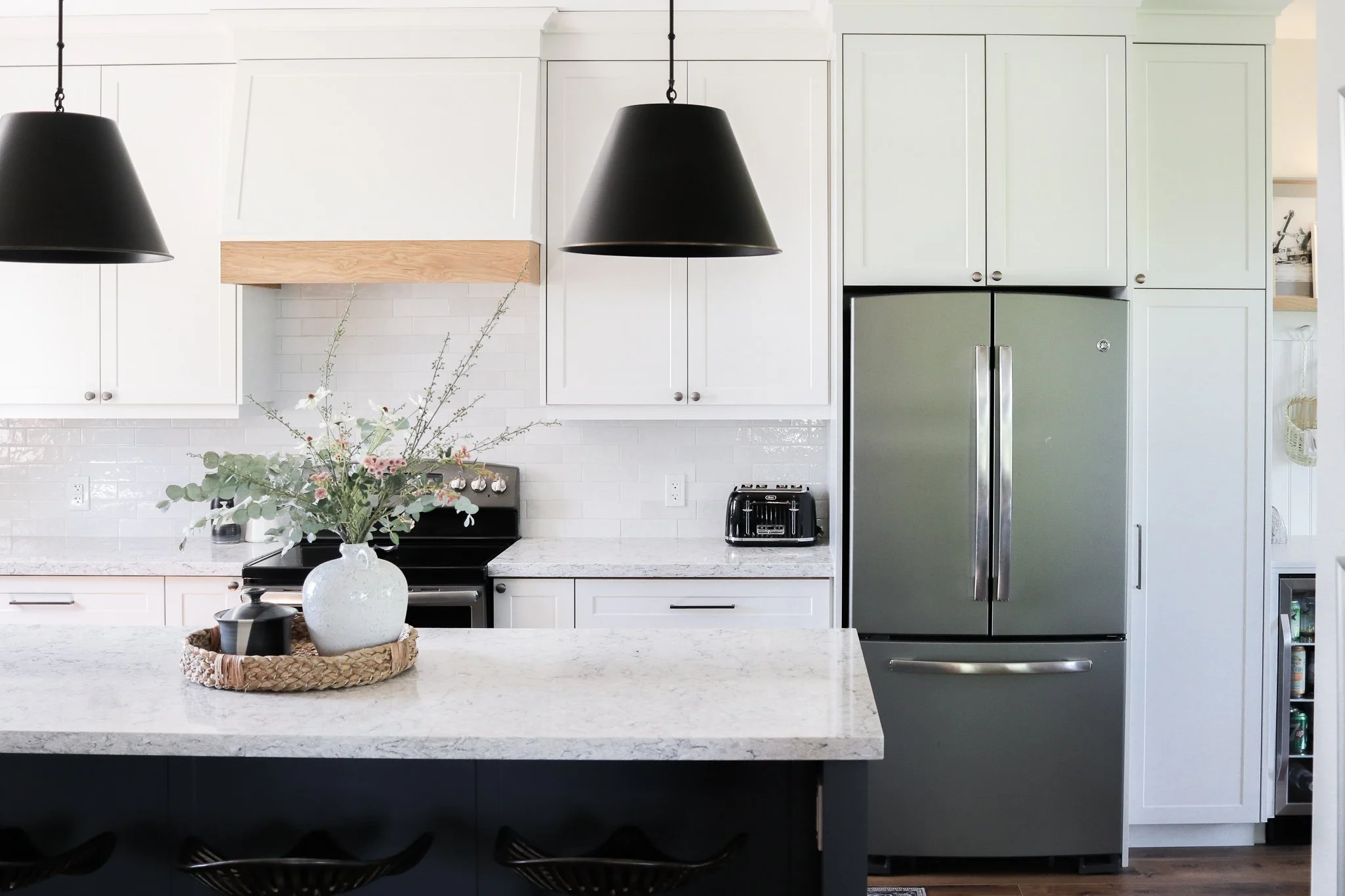
For many homeowners, there comes a point where their current home no longer fits their needs. Whether it’s layout limitations, lack of space, a growing family, or outdated systems, many homeowners start to consider whether it’s better to renovate their existing home or start fresh with a custom build.
When comparing building a new home vs. renovating, there isn’t a one-size-fits-all answer. Both options come with advantages, trade-offs, and different levels of complexity. Understanding how each path works can help you make a more informed decision based on your goals, budget, and long-term plans.
When Renovating Your Home Makes Sense
A home renovation vs. new construction decision often starts with one key factor: how much you value your current home and location.
Renovating is often the right choice when:
You Like Your Location
If you’re already in a neighbourhood you enjoy, close to schools, work, or family, renovating allows you to improve your home without leaving the area.
The Structure Is Sound
If the foundation, framing, and overall structure of the home are in good condition, renovations can be a practical way to update the space without starting from scratch.
You Want to Improve Layout and Function
Many homes, especially older ones, were designed for different lifestyles. Home renovations can rework layouts, open up spaces, and improve how the home functions day to day.
You Want to Preserve Character
Older homes, like century homes and farmhouses, often include architectural details and character that are difficult to replicate in new construction. Renovating allows you to modernize while maintaining those original features.
That said, renovations can come with unknowns. Opening walls may reveal structural issues, outdated systems, or other conditions that affect both timeline and cost. Working with a professional can help you avoid surprises, and consider the different variables to make an informed decision.
When Building a Custom Home May Be the Better Option
In some cases, starting fresh offers more flexibility and fewer limitations.
Building a custom home may make sense when:
The Existing Home Has Significant Limitations
If the current home requires extensive structural changes, major system upgrades, or a complete layout overhaul, the scope of renovation may approach the complexity of a new build.
You Want Full Design Control
A custom home allows you to design every aspect of the space from the ground up, including layout, orientation, and long-term functionality.
The Property Supports It
In some cases, the lot itself holds more value than the existing structure. If zoning and budget allow, rebuilding can provide a better long-term solution.
You’re Planning for the Long Term
Custom homes can be designed around future needs, making them a strong option for homeowners planning to stay in the same place for many years.
However, new construction often involves longer timelines, additional approvals, and a different level of upfront planning.
Is Building New Cheaper Than Renovating?
One of the most common questions homeowners ask is whether it’s more affordable to build new or renovate.
The honest answer is: it depends on the scope of the project.
Renovations can appear more cost-effective at first, especially when only certain areas of the home are being updated. However, costs can increase if structural changes, system upgrades, or unforeseen issues arise.
New construction typically has more predictable costs once the design is finalized, but it also involves expenses such as demolition (if rebuilding), permits, servicing, and full construction from the ground up.
Rather than focusing only on initial cost, it’s often more helpful to consider:
The total investment required to achieve your goals
The long-term value of the home
The level of disruption during construction
How well the finished space will meet your needs
Comparing the Renovation and Custom Build Process
Understanding the difference in process can also help guide your decision.
Renovation Process
Renovations typically involve:
Assessing the existing structure and conditions
Developing a design that works within those constraints
Planning for potential unknowns during construction
Phasing work where needed
Because renovations work within an existing structure, flexibility is important. Unexpected findings are not uncommon, especially in older homes.
Custom Home Process
New builds involve:
Designing the home from the ground up
Completing zoning, permits, and approvals
Coordinating full construction from foundation to finishing
Working within a more controlled construction environment
While custom builds offer more control over the final outcome, they also require a longer planning and approval phase before construction begins.
Which Option Is Right for You?
When deciding between home renovation vs. new construction, the right choice depends on a combination of factors:
Your budget and financial flexibility
The condition of your existing home
Your attachment to the location
The level of change you’re looking to achieve
Your timeline and tolerance for disruption
For many homeowners, renovation provides a way to significantly improve their home while staying in a familiar space. For others, starting fresh offers a cleaner path to achieving their long-term vision.
How REED Design-Build Can Help
At REED Design-Build, we work with homeowners who are exploring both options. Whether you’re planning a whole home renovation or considering a custom home, our design-build approach helps bring clarity to the decision-making process.
By evaluating your home, understanding your goals, and developing a clear plan, we help you determine whether renovating or rebuilding is the better path forward.
If you’re unsure which direction is right for you, starting with a conversation can help clarify what’s possible.