
How to Remove a Load Bearing Wall
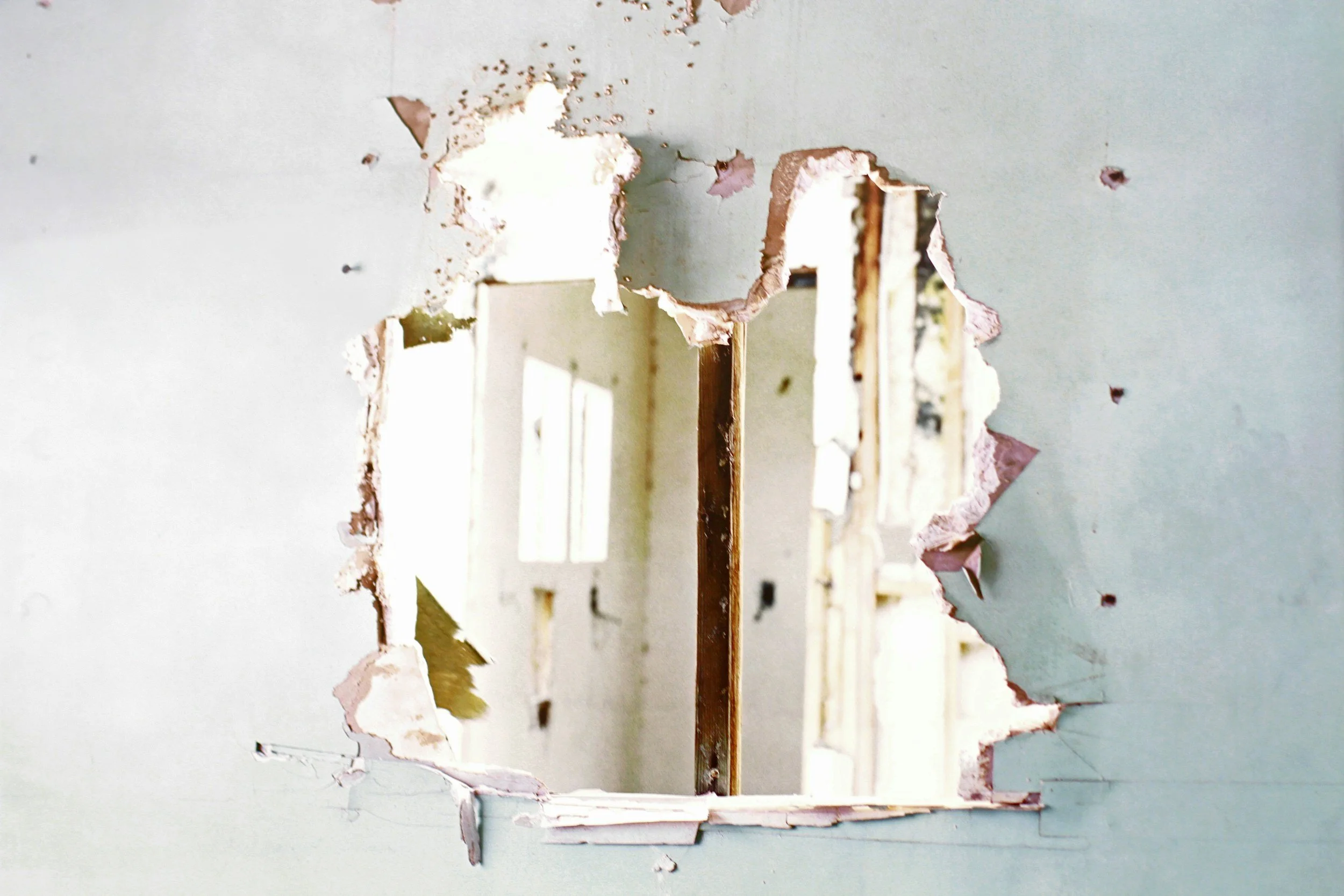
Open-concept living is one of the most requested renovation goals among Ontario homeowners. Whether you're looking to create a larger kitchen, improve sightlines throughout the main floor, or bring more natural light into your home, removing a structural wall can completely transform how a space looks and functions.
However, removing a structural wall is not as simple as picking up a sledgehammer and starting demolition. Load-bearing walls play a critical role in supporting your home's structure, which means careful planning, engineering, and construction expertise are essential.
If you're considering opening up your floor plan, here's what you need to know before removing a load-bearing wall.
What Is a Load-Bearing Wall?
A load-bearing wall is a wall that supports the weight of the structure above it. This weight may include upper floors, roof systems, ceiling joists, or other structural components.
Unlike partition walls, which primarily divide rooms, load-bearing walls help transfer loads down through the structure and into the foundation. Removing one without proper support can compromise the safety and stability of the home. Because every home is different, determining whether a wall is structural requires a professional assessment.
Are All Walls in a House Load-Bearing?
No. Many interior walls are non-structural and can be removed relatively easily during a renovation. However, it is impossible to determine whether a wall is load-bearing based on appearance alone. Some structural walls may look identical to non-structural walls.
Factors that influence whether a wall is load-bearing include:
The home's age and construction method
The direction of floor and ceiling joists
The location of beams and support points
The layout of upper floors and roof structures
Before planning any demolition, homeowners should have the wall evaluated by an experienced professional.
Common Reasons Homeowners Remove Structural Walls
The most common reason homeowners choose to remove a bearing wall is to create a more open and functional layout.
Benefits often include:
Improved flow between rooms
Better sightlines throughout the home
Increased natural light
More space for entertaining
Improved connection between kitchen, dining, and living areas
At REED Design Build, we often see homeowners remove load-bearing walls as part of larger kitchen, main floor, and whole-home renovations.
A great example is our Project Farmhouse renovation in Hagersville, where removing a load-bearing wall opened up the entire main floor. This allowed for a larger kitchen, improved entertaining space, and a more cohesive flow throughout the home.
How Much of a Load-Bearing Wall Can I Remove?
This is one of the most common questions homeowners ask, but the answer depends entirely on the structure of the home and the loads being supported.
In some cases, an entire wall can be removed and replaced with a properly engineered beam and support system. In others, only a portion of the wall can be removed while maintaining structural integrity.
Factors that influence how much can be removed include:
The span of the opening
The weight being supported
Existing support locations
Foundation considerations
Building code requirements
Every project requires a detailed assessment before any work begins.
How to Remove a Load-Bearing Wall Safely
If you're researching how to remove a load-bearing wall, it's important to understand that the process involves much more than demolition.
A professional load-bearing wall removal project typically includes:
Structural Assessment
The first step is determining whether the wall is load-bearing and understanding the loads it supports.
Engineering and Design
An engineer may be required to specify the appropriate beam size and support requirements. This ensures the structure remains safe and compliant with building codes.
Permits and Approvals
Most structural modifications require permits and inspections. Proper documentation helps ensure the work meets local regulations.
Temporary Structural Support
Before the existing wall is removed, temporary supports are installed to carry the load during construction.
Beam Installation
A new engineered beam is installed to replace the structural support previously provided by the wall.
Finishing Work
Once the structural work is complete, drywall, flooring, trim, and other finishes are repaired or updated to create a seamless appearance.
Will a House Collapse If a Load-Bearing Wall Is Removed?
A properly planned and engineered wall removal should not compromise the safety of a home.
However, removing a load-bearing wall without understanding its structural role can cause serious issues, including:
Sagging floors or ceilings
Cracked drywall
Structural shifting
Damage to surrounding finishes
Safety risks
This is why professional planning is so important. Structural wall removal should always be approached as a construction and engineering project, not simply a demolition project.
The Value of Design, Construction, and Project Management Working Together
One of the biggest challenges with structural renovations is balancing design goals with structural realities.
Homeowners often envision a completely open space, while builders and engineers must determine what is physically possible. When these conversations happen separately, projects can experience delays, redesigns, and unexpected costs.
At REED Design Build, our design, construction, and project management teams collaborate from the beginning. This allows us to evaluate structural requirements while also considering layout, functionality, and aesthetics.
The result is a renovation that not only looks beautiful but is also safe, practical, and built to last.
Whether you're opening up a kitchen, connecting living spaces, or creating a more functional floor plan, our team ensures every decision is coordinated from concept through construction.
Trust the Experts When Removing a Structural Wall
Removing a structural wall can completely transform your home, creating brighter, more open spaces that better support modern living. However, structural modifications require careful planning, engineering expertise, and precise execution.
If you're considering removing a load-bearing wall in Brantford, Hamilton, Burlington, Oakville, or the surrounding area, REED Design Build can help. Our team specializes in structural wall removal and works closely with homeowners to ensure every project is completed safely, efficiently, and in full compliance with building requirements.
Learn more about our Load-Bearing Wall Removal Services or contact us today to discuss your renovation goals and book a consultation.